Visiting Cape Coast and Elmina Castles: A Group Guide
This is not a fun day out, and it shouldn't be. It can be one of the most meaningful days you ever spend with friends, if you go prepared.
7 min read

The room is dark, and it smells of old stone and sea air. Somebody near the back stops whispering. A guide asks the group to stand still for a moment, and for once, nobody reaches for a phone. You can hear the Atlantic outside, steady as breathing.
That moment, in a dungeon at Cape Coast Castle, is why this guide exists. Visiting Cape Coast and Elmina Castles is not like other weekend trips. You won't come back with funny stories and a sunburn. You'll come back quieter, and possibly changed. Going with friends can make that weight easier to carry, but only if you plan for it the way you'd plan for any serious thing.
This is a practical, honest guide to doing it well.
Why visiting Cape Coast and Elmina Castles matters
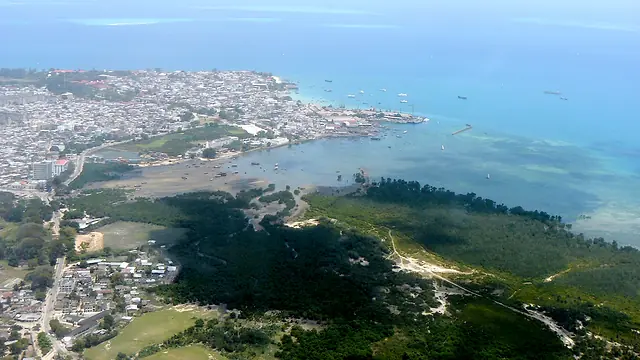
Along Ghana's coast stand a string of forts and castles built by European traders. Two of the best known are a short drive apart in the Central Region.
Elmina Castle was built by the Portuguese in 1482 as São Jorge da Mina. It's often described as the oldest surviving European building in sub-Saharan Africa. It began as a trading post for gold and became one of the most important points in the Atlantic slave trade, later passing to the Dutch and then the British.
Cape Coast Castle started as a small trading post and was rebuilt and expanded by Swedish, then British, traders. In the 18th century its dungeons held enslaved Africans before they were forced onto ships bound for the Americas. The Cape Coast Castle page on Wikipedia has a clear summary of its history.
Both castles are part of a group of Ghanaian forts and castles recognised by UNESCO as a World Heritage Site, because of what they tell us about the Atlantic gold and slave trades. For many people in the African diaspora, a visit is a kind of pilgrimage. For many Africans on the continent, it's a reckoning with a history that school only skimmed. For everyone, it's a lesson you feel in your body.
Before you go: prepare your heads, not just your bags
Most trip planning is logistics. This one needs emotional planning too.
Talk about it before the day
A week or so before, have a short conversation in your group chat or over food. Try questions like:
- "What do you already know about the castles, and what are you expecting to feel?"
- "Is anyone nervous about going? Totally fine if so."
- "Do we want to talk during the tour, or keep it quiet and debrief later?"
This sounds formal, but it saves awkwardness. Some people process out loud. Some go silent. Some cry, some don't, and both are normal. When everyone knows that in advance, nobody feels judged for how they react.
Do a little reading together
You'll get far more from the guided tour if you arrive with context. Pick one short read each and share the key points. The Wikipedia article on the Atlantic slave trade is a sober starting point. If you have diaspora friends coming, ask them whether they've traced any family history. Some will have, and their stories add meaning.
Practical prep
- Plan the trip from Accra or from wherever you're staying along the coast. The drive is long enough that an early start helps.
- Dress respectfully and comfortably. There's walking, stairs and uneven stone floors.
- Bring water and something to eat for after. You may not feel hungry during the visit, but you will later.
- Expect a guided tour. Visits are typically led by guides who take you through the dungeons, courtyards and rooms. Their storytelling is a big part of the experience, so listen.
- Check current visiting arrangements before you set off, using official or recent sources, since details can change.
Inside the walls: what to expect
Every visit is different, but you can expect some common moments.
- The courtyards and ramparts. You'll see cannons facing the sea, whitewashed walls and wide ocean views. The beauty is jarring once you understand what happened here.
- The dungeons. Small, dark, low-ceilinged rooms where enslaved men and women were held separately for weeks. Guides will often point out marks on the walls and floors. This is usually the heaviest part.
- The governor's quarters. Often above the dungeons, with breeze and light. The contrast is deliberate, and it's devastating.
- The Door of No Return. The passage through which captives were taken to the ships. Many visitors stand here for a long time. At Cape Coast, a sign on the sea side now marks a "Door of Return", a symbol of people of African descent coming home.
A few etiquette notes:
- Follow the guide's lead on photos. Some moments are not for cameras. If you're unsure, don't.
- Keep your voice low in the dungeons and at memorial spots.
- No posing for jokes or "content". You'll see people do it. Don't be those people.
- Give each other space. If a friend steps away, let them. Check in gently after.
Caring for each other during the visit
This is where going as a group really matters.
Agree on a simple signal for "I need a minute". A hand on the shoulder works. So does a quiet "I'm stepping out". Nobody needs to explain.
Pair up loosely, so everyone has someone keeping half an eye on them. Not hovering, just aware.
If a friend becomes very upset, don't rush to fix it. Stand with them. Offer water. Sometimes the kindest words are "take your time, I'm here."
If you're the "strong one" in your group, remember you're allowed to feel it too. Being supportive doesn't mean being made of stone.
After the tour: the debrief that makes it meaningful
The conversation after the castle is often where the visit really lands. Find somewhere to sit near the sea, eat something and give it time.
Try these prompts, one at a time, and let people pass if they want to:
- "What moment is going to stay with you?"
- "What surprised you?"
- "What did you feel that you didn't expect?"
- "Is there something you want to read, watch or learn next?"
- "What do we do with what we've seen?"
Some groups write a few lines each in a shared note that evening. Others make a commitment, like reading a book together or visiting a related museum back home. Some simply sit in silence for a while, and that's a debrief too.
If someone in your group is struggling for days afterwards, take that seriously. Encourage them to talk to someone they trust, and if it feels heavy for a long time, a counsellor or therapist can help.
Balancing the day: Elmina town, Kakum and gentler moments
You don't need to pack in more heaviness. Balance it.
- Walk around Elmina's fishing harbour. The colourful canoes and bustle of the town are a reminder of life continuing.
- Look up at Fort St. Jago, the smaller fort on the hill opposite Elmina Castle, for a sense of how fortified this coast once was.
- Visit Kakum National Park another day. The forest and its famous canopy walkway of hanging bridges are a short drive inland. You can read about it on the Kakum National Park page.
- Spend an evening by the sea with good food and lighter talk. It's not disrespectful to laugh after a heavy day. It's human.
If you're planning a longer trip, our posts on things to do in Accra and the best beach days in West Africa can help you plan the rest of the week.
Planning it as a group
Group trips fall apart over small things: who books transport, who forgot water, who wanted to leave at 9 instead of 6. A few tips:
- Choose one coordinator and one backup.
- Share one plan everyone can see, with meeting times and contacts.
- Agree on a budget range up front, so nobody feels awkward.
- Build in rest. Two heavy sites in one day can be too much for some people.
Kindred can help with the coordination side: create the trip as an event, invite friends to go together and keep everything in one place. If anyone is joining from a community or meeting the group for the first time, Kindred's safety features let them share their plans with someone they trust. For more on making group trips work, read our guide to group trip planning without the fights.
Your nudge
If you go, choose your companions with care. Pick people who will be quiet with you when it's needed and talk with you when it helps.
And when you get home, do one thing with what you felt. Read one book. Start one conversation with family. Share one honest reflection with your friends. The castles ask you to remember. The least we can do is remember together. Looking for more ways to connect over culture and history? Browse our culture and diaspora collection.